
The traditional dress and food of Lahaul & Spiti in Himachal Pradesh beautifully reflect the region’s harsh climate, deep-rooted traditions, and strong Tibetan-Buddhist cultural influence. Situated in the high-altitude cold desert of the Himalayas, this tribal district has
preserved its unique identity through generations. The people of Lahaul & Spiti wear attire that is not only culturally significant but also designed to protect them from extreme winters, heavy snowfall, and strong winds.
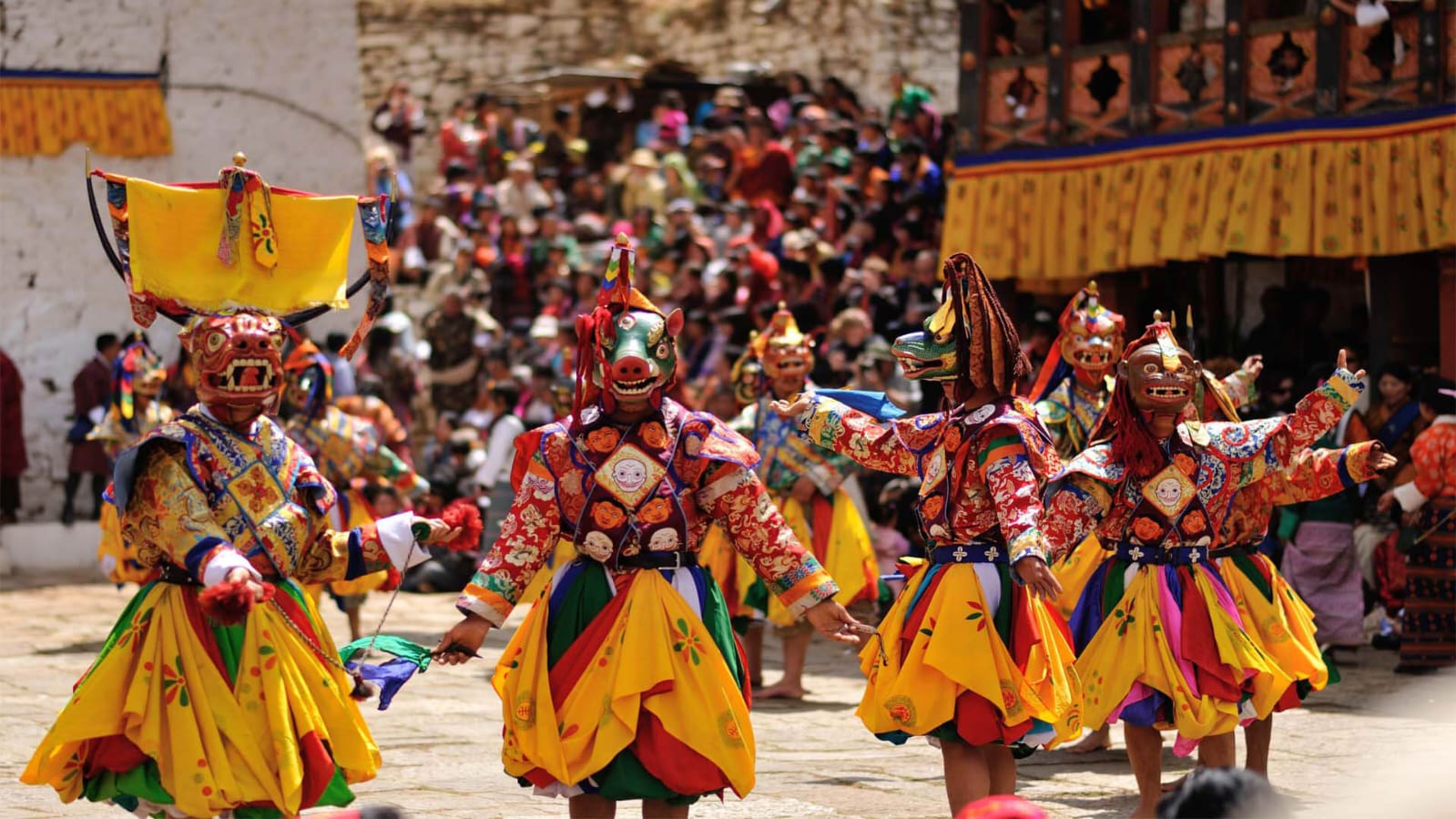
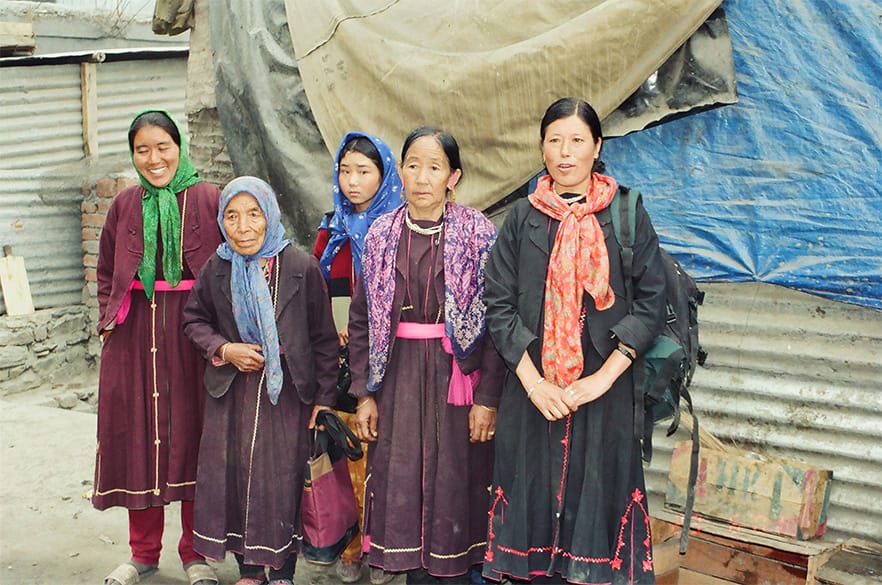
The traditional dress for both men and women mainly includes the chuba, a long woolen robe made from thick handwoven fabric that provides warmth and comfort. Men usually pair the chuba with woolen trousers known as suthan and wear a traditional Lahauli cap, often decorated with colorful borders. Women wear a similar woolen robe but style it with beautifully woven shawls and pattu, wrapped gracefully around the body. Their attire is complemented by traditional silver jewelry, turquoise-studded ornaments, and decorative headpieces that symbolize heritage and social identity. During festivals and special occasions, the clothing becomes more vibrant and ceremonial, reflecting pride and community spirit.
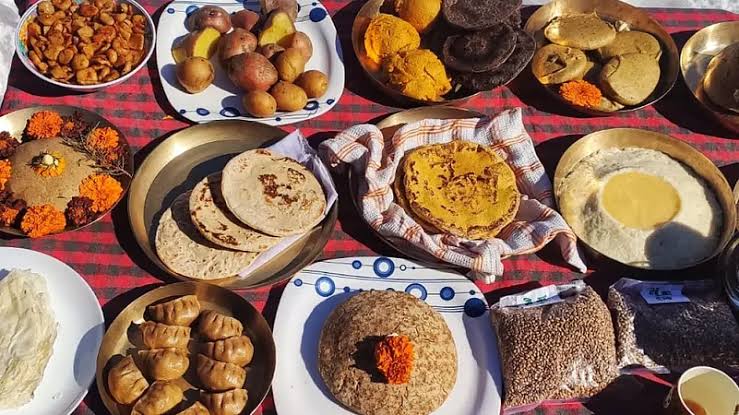
The cuisine of Lahaul & Spiti is simple, nutritious, and energy-rich, perfectly suited for the cold mountainous environment. Barley, wheat, peas, potatoes, and dairy products form the foundation of daily meals. One of the staple foods is tsampa, roasted barley flour that is often mixed with tea or butter to provide quick energy. Dishes like thukpa, a warm noodle soup filled with vegetables or meat, and steamed dumplings known as momos are popular across the region and show strong Tibetan influence. Another essential part of daily life is butter tea, also called gur-gur chai, made with butter and salt, which helps the body stay warm in freezing temperatures. During festivals and celebrations, people also prepare chhang, a traditional fermented barley drink shared among family and community members.
Together, the traditional dress and food of Lahaul & Spiti are more than just cultural practices—they are symbols of resilience, adaptation, and identity. They represent a harmonious relationship between the people and their environment, preserving centuries-old customs while continuing to shape the cultural richness of this remarkable Himalayan region.