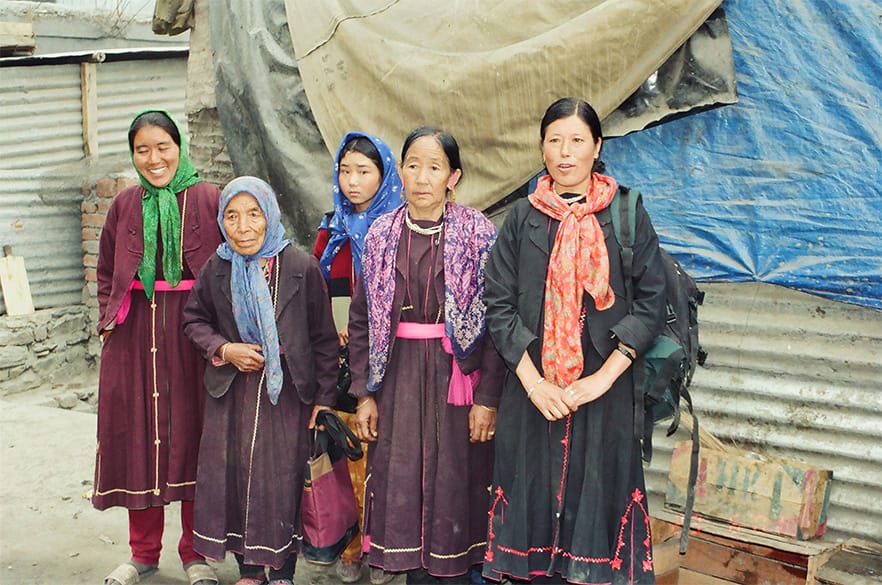

Most of us from Lahaul–Spiti grew up understanding seasons before calendars — not in a poetic way, but in a practical one. School holidays matched road conditions, travel plans depended on the pass opening, and relatives visited when movement was possible, not merely convenient.
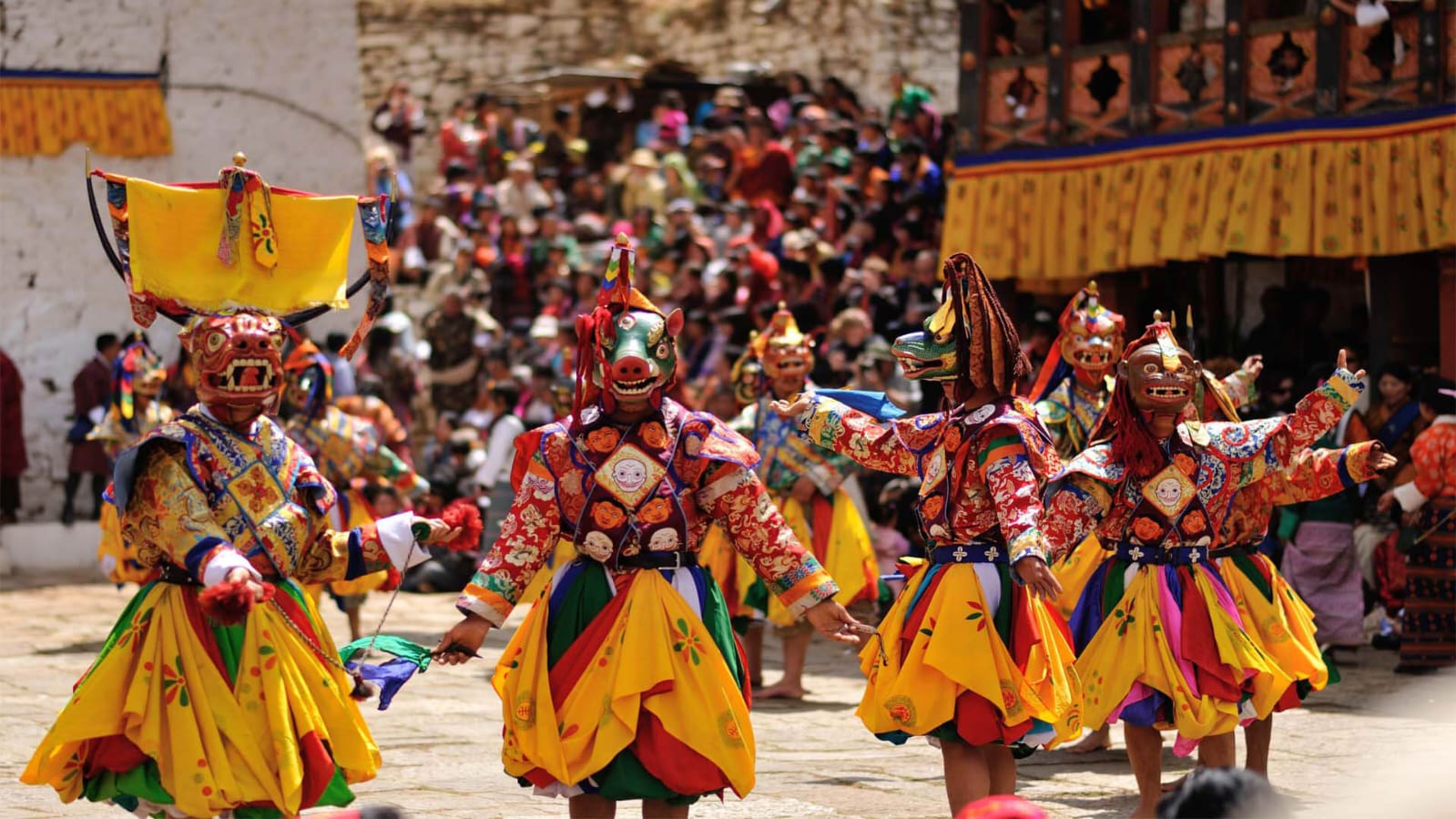
Life in the valley has always been organised around what the land allows. The farming season is short, so work is shared. Storage matters as much as harvest. Festivals are fixed by the lunar calendar, and people return home for them whenever possible because gatherings are rare chances to meet extended family across scattered villages.
When students leave for cities like Delhi, the biggest change is not just distance — it is the loss of that shared rhythm. In the valley, culture does not need planning; it happens automatically because everyone lives inside the same environment. In a city, it disappears quietly unless someone recreates it.
Why a Cultural Association Exists Outside the Valley
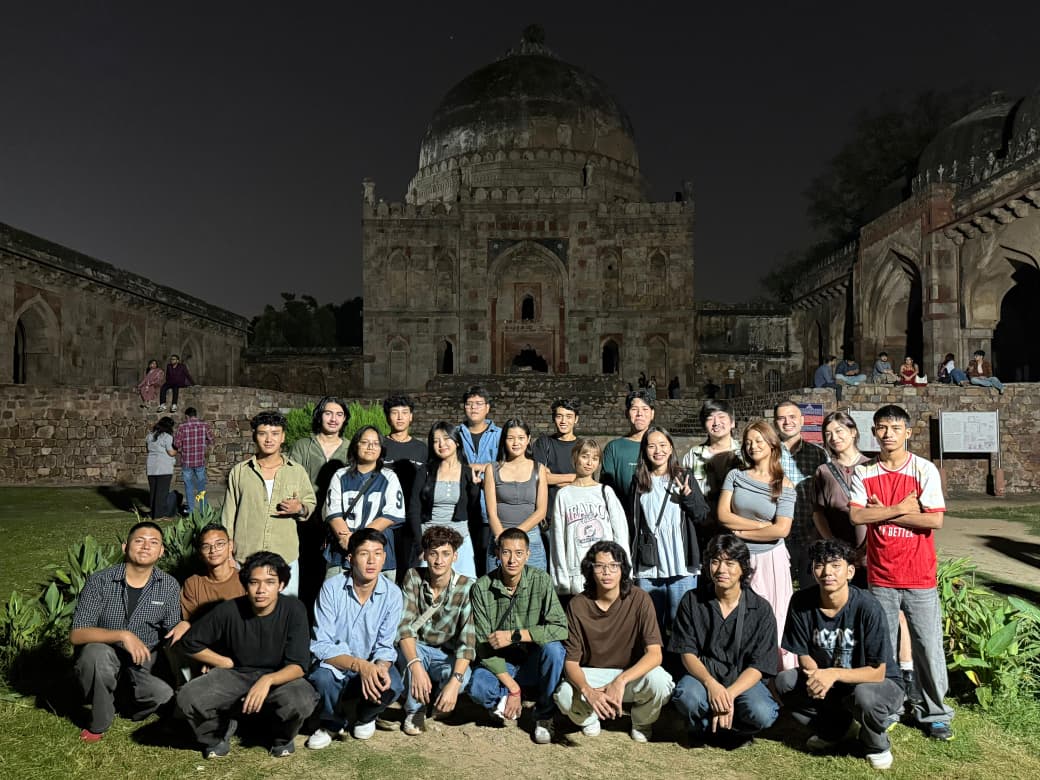
Here in Delhi, most young Lahaulis and Spitians meet not in neighbourhoods but in universities and hostels. Without family homes nearby, festivals would pass like ordinary days. The Lahol Spiti Cultural Association formed mainly for this reason — to rebuild familiar occasions in an unfamiliar place.
Celebrating Losar, archery meets, traditional gatherings, or food events in Delhi is not about performance. It is about recognition. A student who arrived alone finds a room full of people who understand the same words, food habits, humour, and silences without explanation.
In the valley, community is natural.
Outside it, community must be organised.
What We Actually Preserve
Preservation is often imagined as protecting monuments or costumes. For students, it is simpler and smaller:
cooking food the way it is made at home
explaining customs to younger members who grew up outside the valley
inviting elders in Delhi to speak about village practices
making sure festivals remain gatherings, not just photographs
Many of us learned traditions properly only after leaving home. Distance creates curiosity — questions we never asked our grandparents suddenly matter because we become the ones expected to answer them.
A Culture That Moves With Its People
Lahaul–Spiti culture has never depended only on geography. Historically, people travelled for trade, work, and education, carrying practices with them. What changes now is scale — more young people live away from home for longer years.
Our association does not replace the valley. It acts as a bridge: students who have never seen a full winter there still learn why certain foods are eaten, why elders greet in particular ways, and why festivals follow lunar dates instead of weekends.
When we eventually return — for holidays, work, or permanently — the traditions feel continuous rather than interrupted. Lahaul–Spiti remains where it always was, in its villages and monasteries.
But part of it now also lives in classrooms, rented flats, and community halls in Delhi — wherever its people gather and decide that remembering together is worth the effort.